
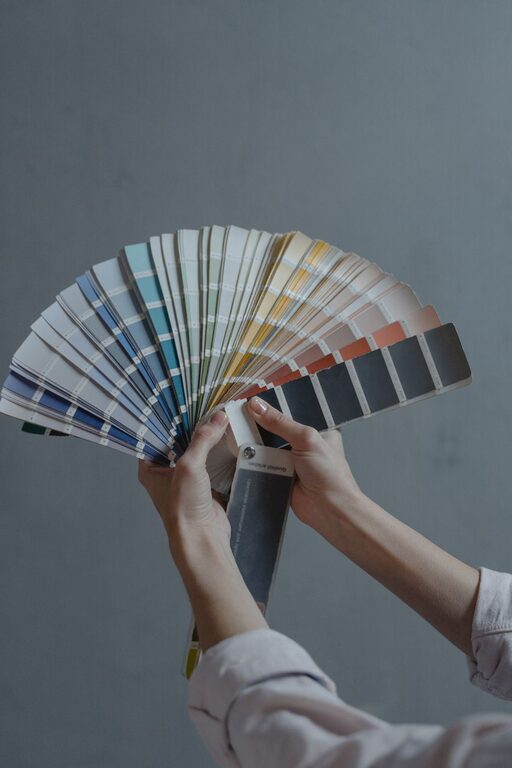
Creating a calm and peaceful atmosphere in your home can significantly enhance your comfort and well-being. One of the simplest and most effective ways to achieve this is by choosing the right colors for your walls, furniture, and accessories. Calm colors help reduce stress, promote relaxation, and make your space feel more welcoming. If you’re wondering how to pick those soothing shades, this guide offers helpful tips to make the process easier and enjoyable.
Why Choose Calm Colors?
Calm colors are typically soft, muted, and easy on the eyes. They often include shades inspired by nature, such as soft blues, gentle greens, warm neutrals, and pastel tones. These colors can:
– Reduce anxiety and create a serene environment
– Make rooms feel more spacious and airy
– Provide a versatile background that complements various decor styles
– Improve focus and mental clarity in spaces like bedrooms and offices
Knowing this, choosing the right calm colors can be a game-changer for your home’s overall mood.
Consider the Mood You Want to Create
Before picking colors, think about how you want each room to feel. Calm colors can evoke different moods depending on the shade and intensity.
Relaxing and Soothing
For bedrooms and living rooms where you want to unwind, aim for colors like:
– Soft blues (reminds of the sky or ocean)
– Gentle greens (like moss or sage)
– Warm beige or taupe
Fresh and Invigorating
If you want a calm space that feels fresh and lively, such as a kitchen or bathroom, consider:
– Light turquoise or mint green
– Pale lavender or lilac
– Soft peach tones
Neutral and Timeless
For a classic, peaceful look that works anywhere, neutrals are great, including:
– Creamy whites
– Light grays
– Stone beige
Test Samples in Your Space
Colors can look very different depending on lighting and room size. Always test with paint samples before committing to a color.
– Paint small patches on multiple walls.
– Observe the samples at different times of the day.
– Notice how natural and artificial light affect the color.
– Consider how the color feels when you spend time in the room.
Testing helps you avoid surprises and ensures the color maintains its calm and inviting quality.
Balance Color with Other Elements
Calm colors work best when balanced with textures and materials that add warmth and interest.
Use Natural Materials
Incorporate wood, cotton, wool, or linen in furniture and textiles to complement calm wall colors and create a cozy atmosphere.
Add Soft Lighting
Choose warm, dimmable lights to enhance the serenity of your chosen colors, instead of harsh or overly bright bulbs.
Include Accents Thoughtfully
If you use calm neutral walls, add subtle pops of color with cushions, artwork, or rugs to keep the space from feeling flat.
Choose the Right Undertones
Colors have undertones—subtle hints of color beneath the surface—that can change how they look in your home.
– Warm undertones (yellow, red) create a cozy feel.
– Cool undertones (blue, green) tend to feel more refreshing and crisp.
Identify the undertones in your preferred colors and ensure they match your existing furniture, flooring, and lighting for a harmonious look.
Consider the Color Psychology
Color psychology can guide your choices by linking colors to emotional effects.
– Blue: Calming, promotes relaxation and trust.
– Green: Refreshing, associated with balance and nature.
– Lavender: Soft and soothing, encourages peace.
– Beige and Taupe: Neutral and grounding, great for relaxation.
– Light Gray: Elegant and tranquil, balances brighter colors.
While color psychology isn’t an exact science, it can help you decide which shades might best support the mood you want in your home.
Maintain Simplicity for a Calm Feel
Sometimes less is more. Avoid using too many different colors at once, which can create visual noise and reduce the calming effect.
– Stick to two or three main colors per room.
– Use different shades and textures within the same color family.
– Keep patterns minimal and subtle.
A simple color scheme enhances the sense of order and calm.
Final Thoughts
Choosing calm colors for your home is a rewarding process that makes your space more comfortable and inviting. By considering the mood you want, testing colors in your space, balancing with natural elements, and paying attention to undertones and psychology, you can create a home that feels like a peaceful retreat.
Remember, there’s no “perfect” color—what matters most is how the colors make you feel in your home. Take your time, explore options, and enjoy the transformation toward a calmer living environment.